Bottom line:
• Persistent leaks, sagging roof lines, and widespread tile or sheet damage are the clearest signs a roof is beyond repair.
• A roof replacement is generally needed once repairs become frequent, costly, or no longer resolve the underlying problem.
• Material changes, such as switching from tiles to metal, can trigger building permit requirements in Victoria.
A roof usually needs full replacement rather than another patch repair when damage is widespread, the structure has aged past its practical service life, or repeated leaks keep returning despite previous fixes. Knowing the difference between a repairable issue and a roof that has reached the end of its life can prevent water damage, structural problems, and unnecessary repeat callouts.
Most homeowners first consider roof replacement after noticing recurring leaks that reappear in different spots each time it rains. A single leak is often a repair job, but multiple leaks across different sections usually point to deteriorating underlayment, failing flashings, or tiles and sheeting that have simply worn out. At that stage, continued patching tends to cost more over time than addressing the roof as a whole.
Physical Warning Signs to Check
A visual inspection from the ground or a ladder can reveal several early indicators before a leak ever appears indoors.
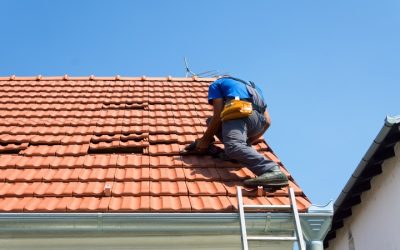
• Cracked, slipped, or missing roof tiles across multiple areas, not just one or two isolated spots
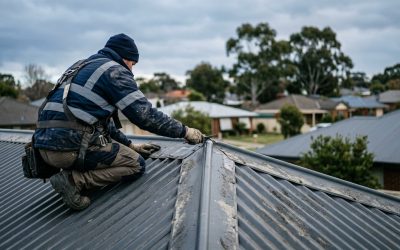
• Rusted valleys, corroded metal sheeting, or flashing that has pulled away from joints
• Sagging sections of the roofline, which can indicate rotten timber or structural movement underneath
• Heavy moss, lichen, or de-bedding where mortar has crumbled away from ridge capping
• Granule loss or brittle, fragile tiles that crack under light pressure
Rotten timber, such as barge boards, fascia, or scotia, is a particularly strong signal that moisture has been getting into the roof structure for some time. Replacing isolated timber sections can work as a repair, but when rot is found in multiple areas, it often means the whole roof system has been compromised.
Interior Clues That Point to Replacement
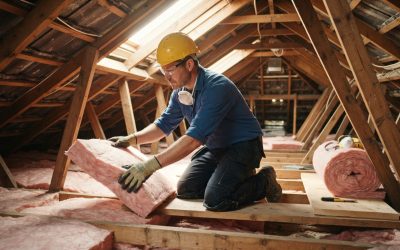
Signs inside the home often confirm what is happening on the roof above. Ceiling stains that keep returning after cleaning, peeling paint near cornices, or a musty smell in roof cavities all suggest ongoing water entry rather than a one-off event.
• Daylight visible through roof boards in the attic or roof space
• Sagging ceiling plaster or water stains that spread over time
• Spiking energy bills from poor insulation caused by roof gaps
• Mould growth in ceiling cavities after wet weather
Melbourne, VIC experiences a mix of heavy seasonal rain, strong winds, and temperature swings that place extra stress on ageing roofing materials. Older roofs that have not been resealed or restored in many years are more likely to show these interior symptoms during the wetter months.
Repair, Restoration, or Full Replacement
Not every roofing issue calls for a full replacement. The table below outlines when each option is typically appropriate.
| Situation | Typical Solution |
| Isolated leak, one or two broken tiles | Targeted repair |
| Faded colour, light moss, minor pointing wear | Restoration (clean, reseal, repaint) |
| Widespread rot, repeated leaks, aged materials | Full roof replacement |
| Changing roofing material type (e.g. tiles to metal) | Replacement, likely with permit |
Material changes carry regulatory implications worth understanding before committing to a project. According to a Victorian council building permit guide, replacing corrugated iron roofing with concrete or terracotta tiles generally requires a building permit, while swapping it for prefinished sheeting such as Colorbond typically does not. These distinctions matter for anyone planning a full reroof rather than a like-for-like repair.
Frequently Asked Questions
How long does a tile or metal roof typically last before replacement is needed? Service life varies by material, maintenance history, and local weather exposure, so an on-site inspection is the most reliable way to assess remaining lifespan rather than relying on age alone.
Is roof restoration a substitute for replacement? Restoration can extend the life of a roof that still has sound structural tiles or sheeting, but it will not fix rotten timber, cracked structural elements, or widespread material failure.
Does a full roof replacement always need a building permit in Victoria? It depends on the scope of work and whether the material type changes; like-for-like replacements are often exempt, while changing materials commonly requires a permit.
What is the first step before deciding on replacement? A physical inspection of the roof exterior, interior roof cavity, and any visible leak points helps determine whether repair, restoration, or full replacement is the appropriate next step.
Getting a Professional Assessment
Deciding between roof repairs and a full replacement is easier with a thorough on-site inspection rather than relying on assumptions from ground level. Based in Bentleigh, VIC, Roofing Direct serves customers throughout Melbourne, VIC, offering professional roofing solutions.
Property owners can Click Here to Explore Roof Replacement Services to learn more about available options for residential and commercial properties in Melbourne.