Quick take:
- Rock drilling involves boring through dense rock strata to create stable footings for foundations, basements and infrastructure works.
- Project managers need to account for geotechnical conditions, equipment selection and site safety before works begin.
- Sydney, NSW sites often encounter sandstone and shale layers that influence drilling method and timeline.
Rock drilling is the process of boring through solid rock to form sockets or shafts for deep foundations, piers, and piling systems used in construction projects. It matters to project managers because ground conditions directly affect scheduling, equipment costs, and structural compliance before a build can proceed.
Sites across Sydney, NSW frequently present mixed ground profiles, where softer soils sit above sandstone or shale. The rock drilling process is typically specified once geotechnical testing confirms rock depth and hardness, which then determines the drilling method, rig size, and expected timeframe for the works.
Why Rock Conditions Change the Project Plan
Rock type and depth influence almost every decision a project manager makes about a foundation program. Before drilling starts, a geotechnical report should confirm rock class, water table position, and any contamination risk on site.
Key factors that affect planning include:
- Rock hardness and whether coring or rotary drilling is required
- Depth to bedrock, which determines shaft length and rig capacity
- Groundwater presence, which may require casing or dewatering
- Proximity to existing structures, services, or boundaries
Sites in Sydney, NSW with sandstone bedrock often need different tooling than clay-heavy sites elsewhere, so early soil testing reduces the risk of delays once drilling is underway.
Equipment and Methods Used in Rock Drilling
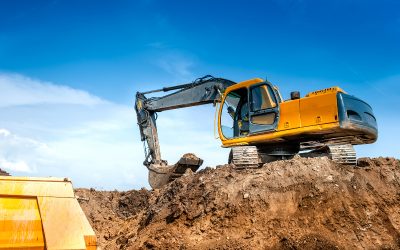
Drilling contractors typically select rig type based on diameter, depth, and rock hardness rather than a single standard approach. Common methods include rotary drilling, coring, and pendulum rigs suited to compact or restricted-access sites.
| Method | Best suited for | Typical limitation |
|---|---|---|
| Rotary drilling | Medium to hard rock, larger diameters | Requires larger rig footprint |
| Core drilling | Sampling and precision shafts | Slower progress through hard rock |
| Pendulum rigs | Confined or residential sites | Limited to smaller diameters |
Matching the rig to the rock class and site access reduces downtime and avoids re-mobilising heavier equipment mid-project.
Compliance and Site Safety Considerations
Piling and drilling works in Australia are governed by design and installation standards that set minimum requirements for safety and structural reliability. According to guidance from WorkSafe ACT, all bored pile excavations must be protected from the risk of falling in, with measures such as temporary covers and controlled access to open holes.
Before drilling begins, project managers should confirm:
- A current geotechnical report has identified rock class and depth
- Underground services have been located and marked
- A safe work method statement covers excavation and drilling hazards
- Drilling rigs and casings are matched to confirmed ground conditions
Skipping any of these steps increases the risk of delays, defective piles, or safety incidents once work is underway on site.
Business Info
Drilling contractors operating in Victoria and parts of southern NSW, including Access Piling, work across residential, commercial, and infrastructure projects where rock strata affect foundation design. Based in Croydon, VIC, the business serves customers across Sydney, NSW rather than operating from a local branch in that area.
Frequently Asked Questions
How deep can rock drilling shafts typically go? Shaft depth depends on rig capacity and rock class, with specifications confirmed through geotechnical investigation rather than a fixed industry figure.
Does rock drilling require a safe work method statement? Excavation and drilling work near shafts or trenches generally requires documented safety planning as part of standard construction compliance.
What causes delays in rock drilling projects? Unconfirmed rock depth, unexpected groundwater, and undetected underground services are common causes of schedule slippage.
Is rock drilling different from standard foundation drilling? Rock drilling specifically addresses dense rock strata, which demands different tooling and slower progress rates than drilling through soil alone.
Final Thoughts
Rock drilling outcomes depend on accurate site investigation, appropriate equipment selection, and adherence to safety and design standards before works begin. Project managers who confirm these details early are better placed to manage timelines and avoid costly rework once drilling is underway.
Current service area details for Access Piling are published for reference by project teams planning foundation works.